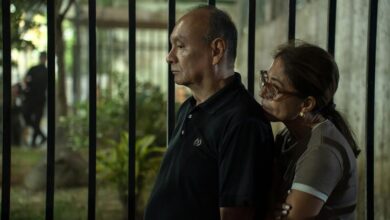
 A week after earthquakes tore through northern Venezuela, hospitals in La Guaira are buckling under the weight of the disaster – and the risk of disease outbreaks in shelters is rising fast.
An assessment by the UN-backed Pan American Health Organization (PAHO) found that all eight health facilities it reviewed in La Guaira, Caracas and Miranda need immediate outside help.
Tweet URL
Three have structural damage. Authorities have reported 2,295 deaths, 11,267 injuries and 12,841 people displaced or seriously affected.
Overwhelmed wards
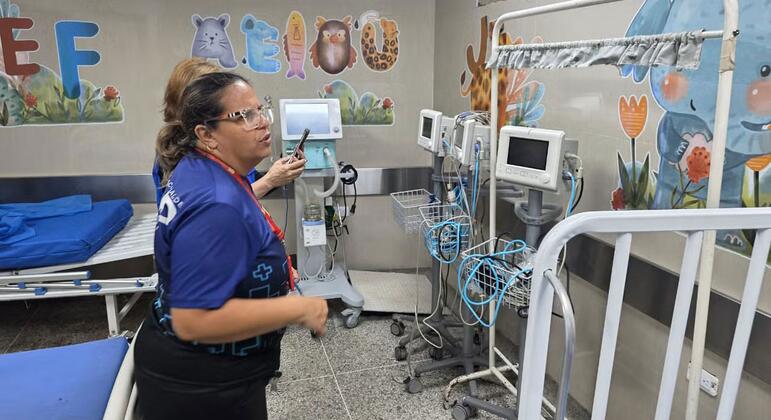
At Vargas-IVSS hospital in La Guaira, 96 patients are crammed into a ward built for eight beds. The morgue is overwhelmed, the blood bank holds just 35 units, and both ventilators in the trauma unit are out of action for lack of power. There is no working phone or internet connection to track patients.
Water arrives by hand-carried containers several times a day. Medical waste has piled up in the corridors. PAHO has ranked Vargas-IVSS its top priority facility, even though the building itself is structurally sound.
At Rafael Medina Jiménez hospital, also in La Guaira, capacity has dropped from 108 beds to 35. Assessors also found patient transport problems, supply shortages, growing surgical waiting lists and biosecurity failures.
Responders among the affected
Ian Clark, who leads the World Health Organization’s (WHO) Health Emergencies Programme, told reporters in Geneva that the disaster has struck the responders too.
“It’s worth pausing to recognise the incredible work being done by local communities and national and international response teams in really difficult circumstances,” he said. “In many cases, those responding at community and national level are people directly affected, who have friends and family affected by the earthquake.”
© WHO/PAHO
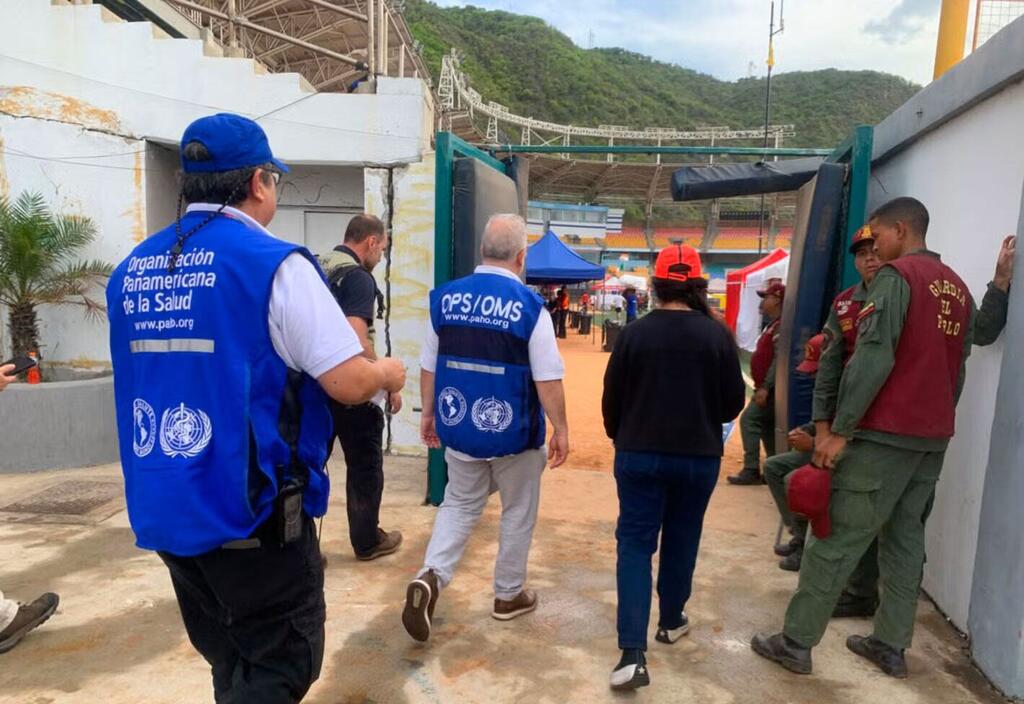
PAHO is expanding its support to Venezuela’s Ministry of Health following the two powerful earthquakes that struck the country on 24 June.
Several health workers remain missing, Mr. Clark said, including the official who coordinated maternal care across La Guaira – a gap that is already hampering efforts to track pregnant women in need of care.
He added that Venezuela’s health system entered the crisis already weakened, with many hospitals facing shortages of up to 37 per cent of essential medicines after years of underinvestment and financial crisis.
Tens of thousands of health workers have emigrated from the country in recent years, he said, though he could not give an exact figure.
Aid pours in
PAHO has delivered 2.18 tonnes of medicines and supplies to La Guaira’s regional health authority, including trauma kits, injectable medicines, protective equipment and 320 body bags. A further four tonnes arrived from Panama.
A 48-bed field hospital with four intensive care posts and two operating theatres is now running in La Guaira, PAHO said, with more medical teams on the way.
The UN health agency’s (WHO) Director-General Tedros Adhanom Ghebreyesus said it had released $1.5 million from its Contingency Fund for Emergencies, with another 28 tonnes of medical supplies due to arrive from Dubai. PAHO and WHO have appealed for nearly $24 million to sustain the health response over the next six months.
Displacement spreads
The crisis is no longer confined to La Guaira. The UN humanitarian affairs office is coordinating support in eight states, including Zulia, Táchira and Anzoátegui, as displaced families move on in search of safety.
In La Guaira, sports venues including the José María Vargas complex and the César Nieves and Playa Grande stadiums have become hubs for healthcare, food, water and protection services. UNHCR, the UN refugee agency, is seeking $14.85 million to support up to 30,000 people with shelter and essential aid over the next six months.