The vote comes amid Yerevan’s pressure on the opposition as it drifts toward the EU and away from Moscow
Published 7 Jun, 2026 04:22
| Updated 7 Jun, 2026 04:57
Armenians head to polling stations in Yerevan to cast their ballots in parliamentary elections. © Getty Images / Ozge Elif Kizil/Anadolu
Polls have opened across Armenia in parliamentary elections that could determine the future course of the South Caucasus nation.
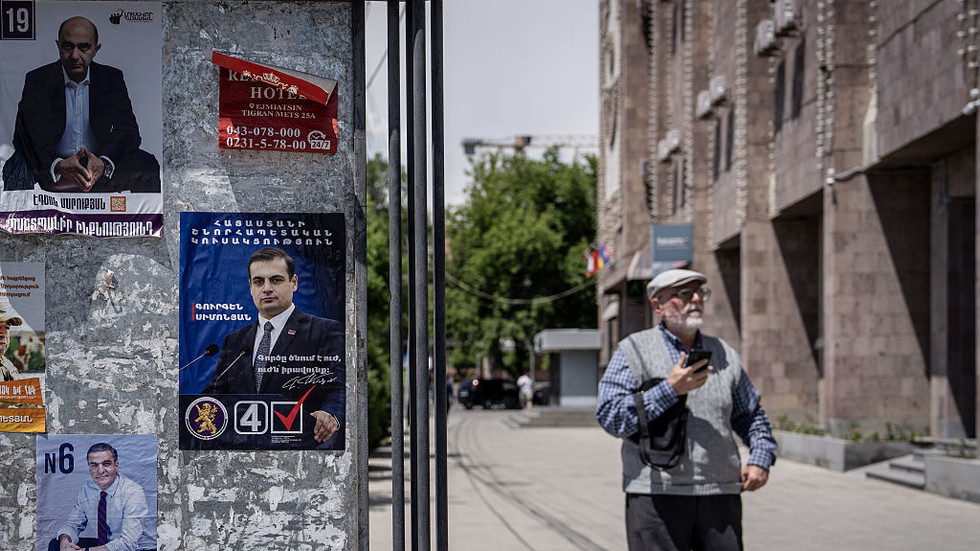
More than 2.4 million eligible voters are expected to cast ballots on Sunday as 18 political forces – including 16 parties and two electoral alliances – are competing for seats in parliament.
Political parties must secure at least 4% of the vote to enter the legislature, while alliances of two or three parties face an 8% threshold and larger coalitions 10%. Armenian law does not require a minimum voter turnout for the election to be valid. Polling stations are open only within Armenia, as the country’s electoral legislation does not provide for overseas voting in parliamentary elections.
The election is widely seen as a test of Prime Minister Nikol Pashinyan, whose government has pursued closer ties with the EU and the US while relations with Moscow have deteriorated.
Read more
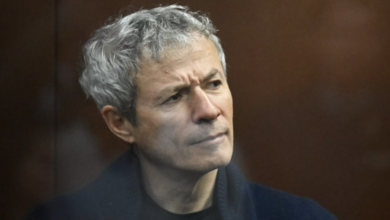
The vote comes a day after Armenian authorities detained six parliamentary candidates from the opposition Strong Armenia bloc, led by Russian-Armenian businessman Samvel Karapetyan, which has emerged as a main challenger to the government.
The detentions followed recent televised debates in which Pashinyan, who came to power in 2018 after the so-called “Velvet Revolution,” called for several major opposition groups to be removed from the election. The Central Election Commission, however, declined to strike Strong Armenia from the ballot.
Opposition forces have accused the authorities of exerting heavy pressure ahead of the vote. Russian Foreign Ministry spokeswoman Maria Zakharova said the arrests cast doubt on the democratic character of the election, while former Russian President Dmitry Medvedev accused Pashinyan of trying to sideline political rivals.
Pashinyan’s ruling Civil Contract party is expected to remain the largest force in parliament, although polls suggest it could struggle to secure an outright majority. His leadership is being challenged by a fragmented opposition of 17 parties and political blocs.
Read more
The election has also been framed as a referendum on Armenia’s geopolitical course. Critics argue that Yerevan’s pivot toward the West has failed to provide meaningful security guarantees while damaging relations with Russia, Armenia’s traditional ally and largest economic partner.
The campaign has unfolded amid growing tensions between Yerevan and Moscow. Russia has warned that deeper integration with the EU would be incompatible with Armenia’s continued membership in the Eurasian Economic Union (EAEU). President Vladimir Putin said in May that leaving the bloc could cost Armenia up to 14% of its GDP.
Earlier this month, former Armenian President Robert Kocharyan accused Pashinyan’s government of “artificially” turning Armenia into an enemy of Russia and steering the country down a path similar to that of Ukraine.