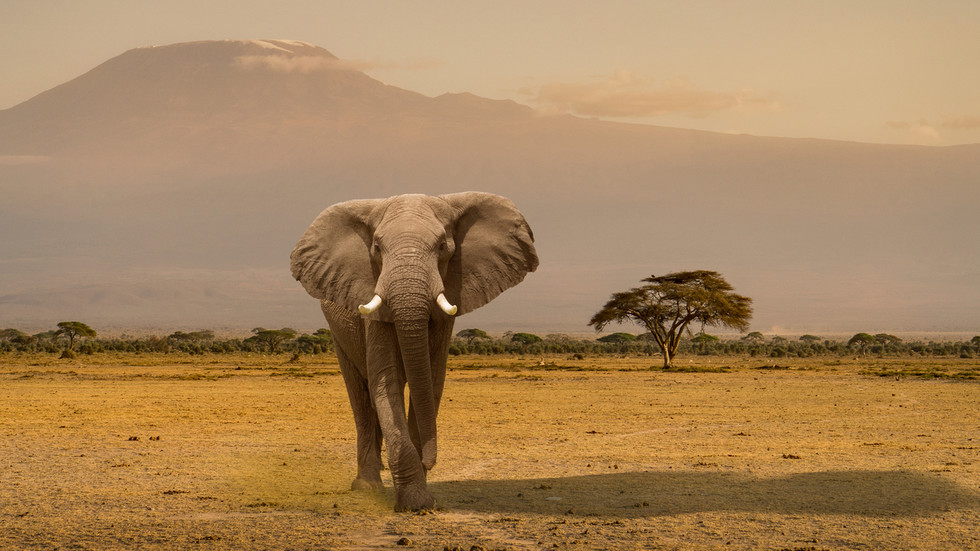
Veterinary experts have called for produce testing after tomatoes were found in the stomachs of 15 dead animals
Published 7 Aug, 2026 11:40
| Updated 7 Aug, 2026 12:45
© Getty Images / Lost Horizon Images
Kenya’s main veterinary professional body has called for urgent testing of agricultural produce from areas surrounding Amboseli National Park after preliminary findings linked the deaths of 15 elephants to cyanide poisoning.
The Kenya Veterinary Association (KVA) wrote on X on Thursday that the incident could have implications beyond wildlife conservation, particularly after tomatoes were reportedly found in the animals’ stomachs.
The elephants are suspected of having consumed contaminated produce from farms in the Kimana Sanctuary and Kuku Group Ranch areas after preliminary tests detected cyanide, according to the Kenya Wildlife Service (KWS). The exact source of the chemical, however, has yet to be established.
“If cyanide-laced tomatoes are potent enough to drop a herd of elephants, what happens when this same crop reaches local markets and Kenyan dinner tables?” the KVA warned.
Read more
The association urged the African state’s agriculture and health ministries to audit and test tomatoes and other produce originating from the Kimana area to determine whether contaminated food could have entered local supply chains. It also called for a multi-agency investigation into how the chemical was obtained and introduced into the ecosystem.
Kimana, near Amboseli, is an agricultural area producing tomatoes, onions, and French beans for markets including the capital, Nairobi. Local farmers have disputed suggestions that cyanide is used in routine farming activities, according to AP.
The KVA also linked the incident to increasing human-wildlife conflict around Amboseli, where expanding agriculture has brought farms into areas used by elephants in search of food and water. It called for improved land-use planning, protected wildlife corridors, and non-lethal methods of keeping animals away from crops.
Crop-raiding by elephants has been a persistent source of conflict with farming communities in Kenya. In July, the KWS began relocating five animals from the Mwea National Reserve after repeated incursions into surrounding farms, where the animals had been destroying crops. In April 2025, more than 20 elephants strayed from the Rimoi Game Reserve and devastated a nearby fruit farm, destroying more than 600 mango and 160 papaya trees.
READ MORE:
South Africa moves dozens of elephants in conservation milestone
The 15 elephant deaths were recorded between June 24 and July 24 across the Amboseli ecosystem. Ten of the animals reportedly showed similar symptoms, including partial paralysis and an inability to stand, before dying within one or two days.
The KWS initially identified a suspected toxic substance as the possible cause. Subsequent preliminary laboratory analysis detected cyanide, though investigators have yet to establish its source.