 Innovators – especially in the Global South – are too often locked out of funding and opportunity despite offering solutions to some of the world’s most pressing challenges.
Malaria wasn’t on Masaki Umeda’s mind when his drone startup, SORA Technology, launched in 2020 in Nagoya, Japan.
Back then, he and his colleagues were focused on getting medical supplies to hard-to-reach parts of Africa but, after talking to health ministries, they realised their AI-powered solutions would be more useful in the fight against the devastating disease, which kills over half a million people on the continent every year.
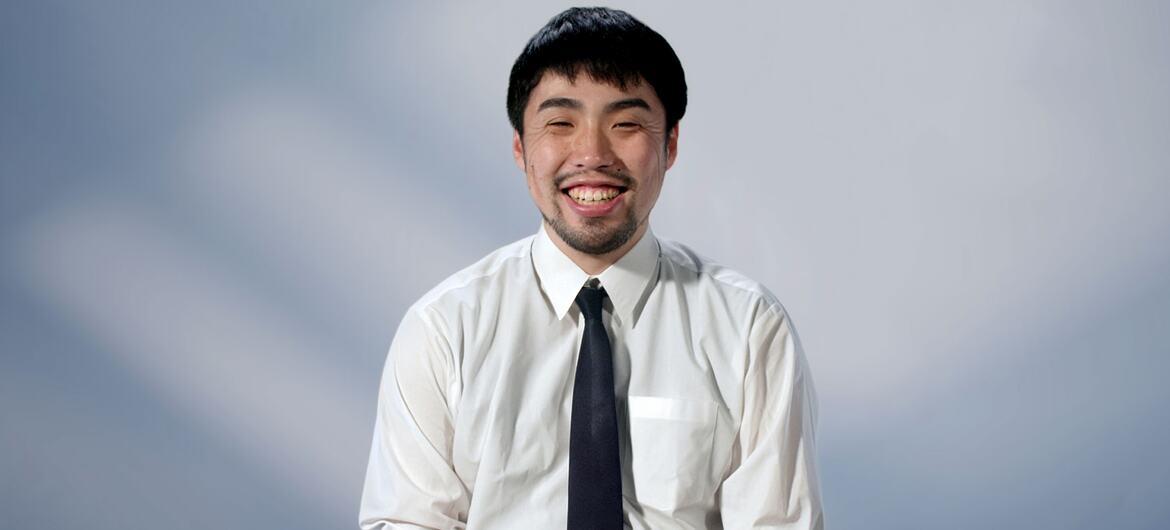
© SORA Technology
Masaki Umeda, co-founder of SORA Technology.
“We fly drones in targeted areas and collect raw data,” explains Mr. Umeda. “Then the AI tools identify the location and characteristics of bodies of water such as turbidity (cloudiness due to the presence of particles like algae or micro-organisms), temperature ranges and nearby vegetation, all of which allow us to classify the risk of breeding sites.”
When shared with government agencies, this information enables them to instruct ground spraying companies to focus their activities on particular high-risk spots, rather than simply blanketing large-scale areas.
In a world of shrinking aid and international budgets, cost-effectiveness is a top priority for cash-strapped countries, and the solutions offered by innovators and start-ups are more important than ever.
SORA Technology’s potential to save lives (and money) led to Mr. Umeda being invited to take part in the UN’s 2026 Science and Technology Forum as a “featured innovator,” along with several other early-stage solution developers from diverse backgrounds dedicated to solving real-world challenges.
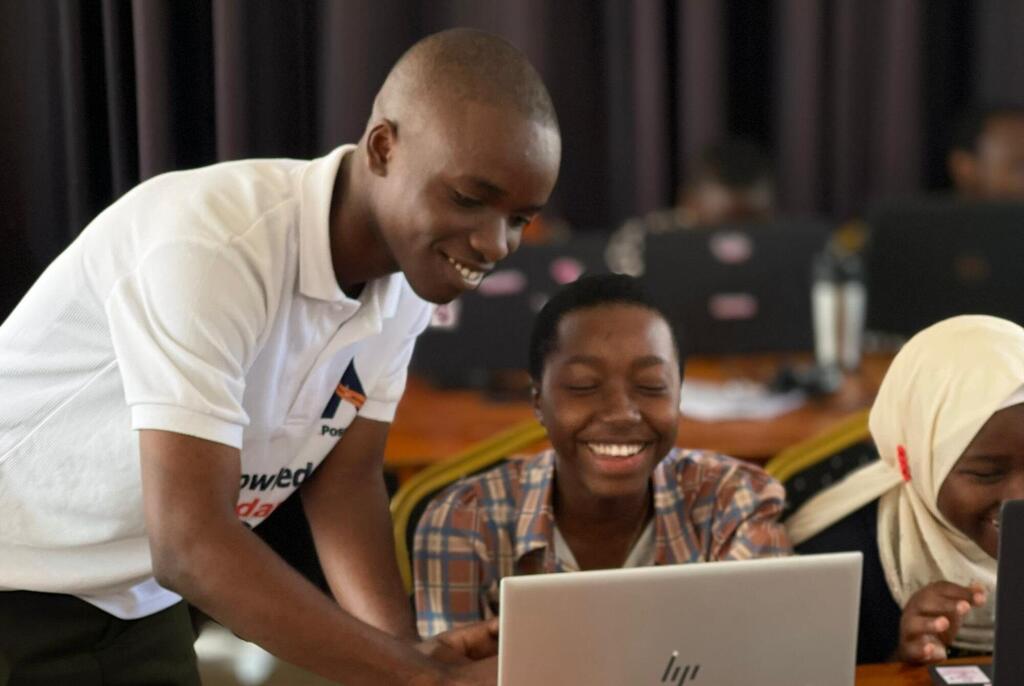
UN News
Students engaged in ICT learning in Tanzania
The start-ups offer a wide range of solutions, from e-waste recycling in Zambia to solar energy solutions in Argentina and community-based renewable energy hubs in Nigeria.
“The innovations point to broader lessons,” says Li Junhua, UN Under-Secretary-General for Economic and Social Affairs. “They remind us that innovation is most effective when paired with collaboration, local ownership and clear pathways to scale.”
‘Extraordinary talent’ locked out
The Featured Innovator programme is an effort by the UN to raise awareness of the wealth of talent, particularly from developing countries, that is going untapped due to limited access to finance, technology and opportunity.
“This is not a gap in innovation. It is a gap in inclusion.” Lok Bahadur Thapa, the President of the UN Economic and Social Council (ECOSOC), said at the start of the Forum.
“Too many innovators remain disconnected from finance and markets. Too many solutions do not reach the communities that need them most.”
Rita Orji knows all too well about the challenges faced by talented young people in the Global South. She is a Professor of Computer Science and the Canada Research Chair in Persuasive Technology (digital tools designed to influence attitudes or behaviour) at Dalhousie University in Canada.
Growing up in a remote village in southeastern Nigeria, without electricity or running water, she told the STI Forum that she had never seen a computer up close before she went to Nnamdi Azikiwe University.
I chose that field in the hope that it could help me change things for my community and people like me,” she said. “I spent my undergraduate years learning how to code, how to build systems and think computationally without owning a computer.” Nevertheless, she graduated with first-class honours.
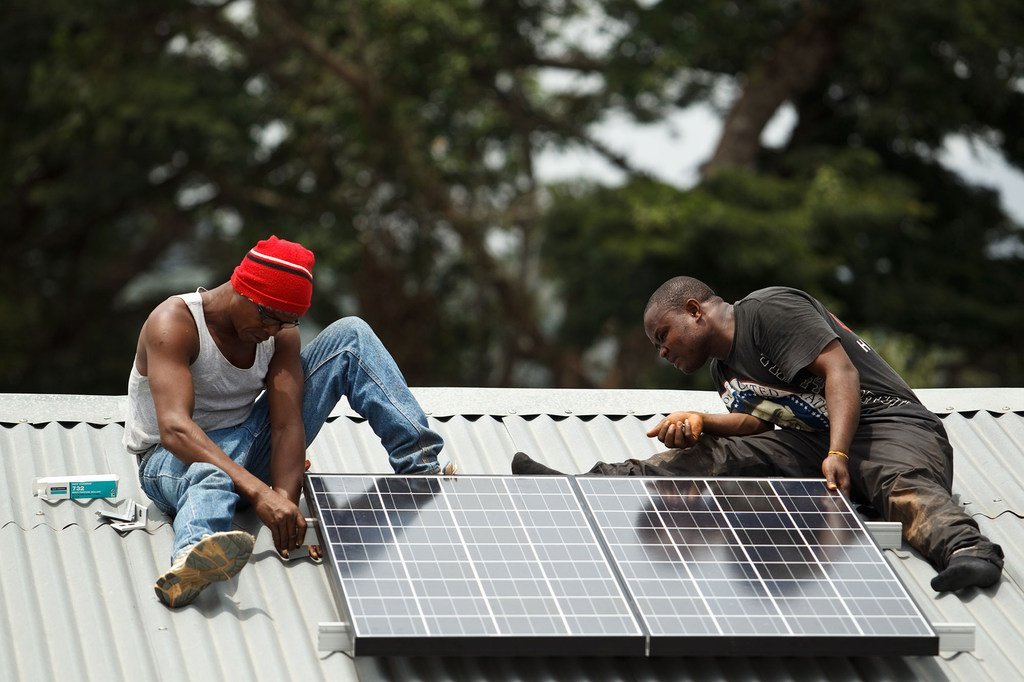
© UNICEF/Olivier Asselin
A solar panel is fixed onto the roof of health centre in the village of Gbandiwlo, in Sierra Leone.
Ms. Orji shared her story as an example of the many “extraordinary talents” across the Global South who, unlike her, are locked out – not because they lack ability but because they lack access.
‘Technically brilliant, developmentally useless’
Digital tools designed in the Global South, by talented individuals living and working in those countries would, Ms. Orji argues, help to ensure that they are actually effective.
“When the world talks about AI and the Global South, the story is often that of transfer. Design it in the north, deploy it in the south, eventually adapt it and eventually make it affordable. That model is backwards,” she says.
“The Global South should not be treated as a late adopter of intelligent design elsewhere. It should help lead in shaping what intelligence becomes.”
Today, most AI tools assume that users are literate, English-speaking and digitally fluent, which excludes most people on the planet. According to Ms. Orji, this makes them “technically brilliant but developmentally useless for those who need them most.”
“The question before us today is not whether the Global South is ready for the AI future, but whether the Global AI future is ready to learn from the Global South.”
Find out more about the innovators featured at the 2026 STI Forum here.