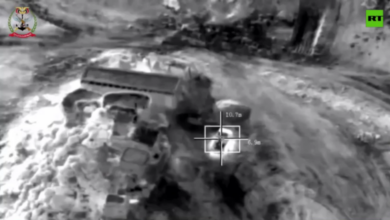
The Yemeni group, also known as Ansar Allah, has claimed responsibility for the attack, which reportedly left another 50 people injured
Published 10 Oct, 2026 21:01
| Updated 10 Oct, 2026 22:05
An attack on King Khalid International Airport in Riyadh on Saturday killed at least 12 people and injured 50, the New York Times has reported, citing three officials briefed on the strike. The Houthis were behind the attack, Mohammed al-Bukhaiti, a senior political official and spokesman for the group, confirmed to RT.
Saudi Arabia’s General Authority of Civil Aviation (GACA) confirmed multiple injuries but did not provide a death toll. According to the NYT, the strike was the deadliest attack in a Gulf Arab country since the US-Israeli war on Iran began in February.
The news comes almost a week after Yemen’s internationally recognized and Saudi-backed government launched a major offensive to retake territory from the Iran-backed Houthis, including areas near the strategic Bab el-Mandeb Strait. Saudi-led forces have supported the operation with airstrikes, while the Houthis have retaliated with missile and drone attacks on targets in Saudi Arabia, including Riyadh’s international airport.
Footage from Terminal 3 of King Khalid Intl. Airport, Riyadh, following an Ansarallah ballistic missile strike. https://t.co/MoaFKmHR7B
— Tabz (@TabzLIVE) October 10, 2026
Speaking exclusively to RT, al-Bukhaiti confirmed that the group was behind the attacks on Riyadh airport, saying they were intended to force Saudi Arabia to agree to a “comprehensive and permanent peace” and an end to the war and mutual blockade.
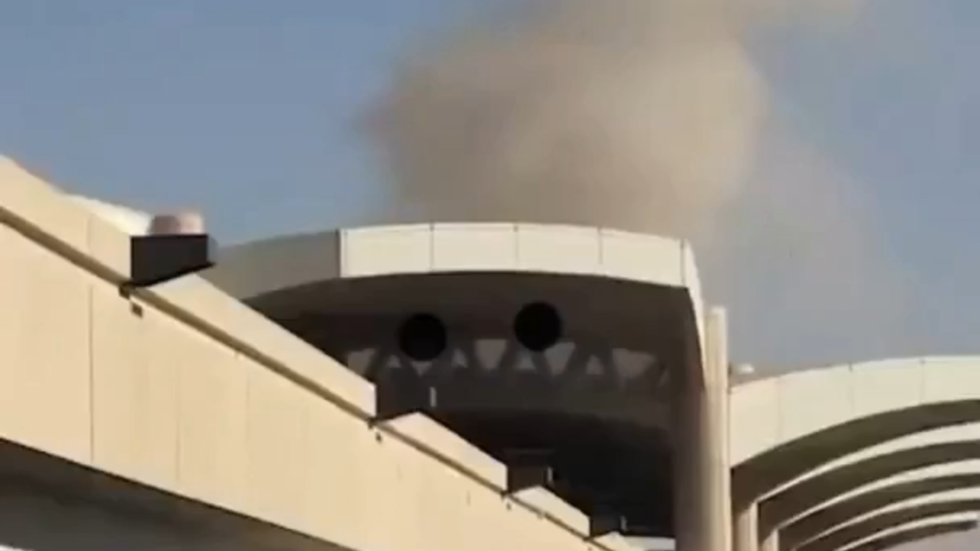
A missile struck the building housing two terminals used for domestic flights at the airport, AP reported, citing a regional official who spoke on condition of anonymity. Videos circulating on social media appeared to show a plume of smoke rising above Terminal 3 following the strike.
GACA said that following the attack, “operational activities at the airport have been temporarily suspended pending a full assessment of the damage and verification of facility safety.”
At least 316 flights to and from Riyadh airport were cancelled on Saturday, according to data from flight-tracking service Flightradar24. The US Embassy and several other Western diplomatic missions urged their citizens to avoid the airport and warned of major travel disruptions.
Asked whether American forces could join Saudi strikes against the Houthis, US President Donald Trump told reporters: “We may. We’re going to look at it.”
Saudi Arabia has led a military campaign against the Houthis since 2015. The hostilities largely subsided following a UN-brokered ceasefire in 2022 before flaring up again this July following a strike on Sanaa airport by Saudi-backed Yemeni forces.
Fighting escalated further in September as the Houthis made their biggest territorial gains in years, capturing the strategic port of Mocha and expanding their control along the Red Sea coast and around the Bab el-Mandeb Strait, a vital international shipping route.
Al-Bukhaiti accused Riyadh of destroying Yemen’s civilian infrastructure over the past 12 years, including airports, seaports, schools, hospitals, markets and even wedding and funeral halls. He said the Houthis were now responding in kind to Saudi attacks, but insisted the strikes were intended to pressure Saudi leaders into accepting a lasting peace agreement rather than motivated by revenge.
“Our military operations deep inside the Saudi entity will continue and will not end except by destroying all Saudi infrastructure belonging to the government,” he warned, specifically naming military facilities, airports, ports and other vital installations.