The reptiles have reportedly been reclassified as “tended” animals, removing a key legal obstacle to their use in prisons
Published 17 Jul, 2026 19:56
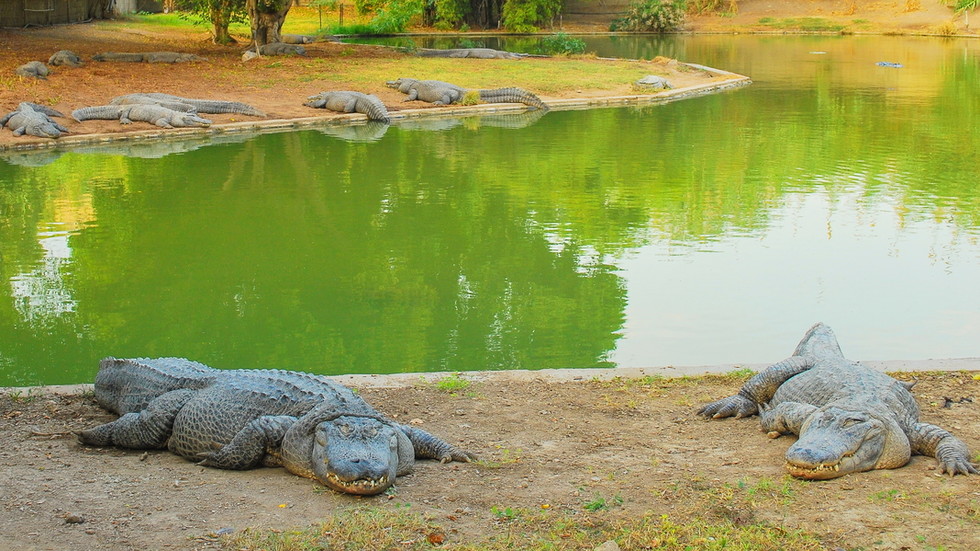
FILE PHOTO. Crocodile farm in the nature reserve Hamat Gader in Israel. © Getty Images / Dance60
Israel has reportedly reclassified Nile crocodiles as “tended” animals, potentially clearing the way for their use as part of prison security.
The controversial proposal to surround prisons with crocodile-filled moats was reportedly floated late last year by far-right National Security Minister Itamar Ben-Gvir, who argued the reptiles would strengthen security and deter escape attempts. The plan was initially deemed legally unfeasible by the Israel Nature and Parks Authority because Nile crocodiles were classified as wild animals that could only be kept in zoos and wildlife sanctuaries.
That legal obstacle was reportedly removed this week when Environmental Protection Minister Idit Silman redesignated the Nile crocodile as a “tended wild animal,” Israeli media reported on Friday. The new classification allows the reptiles to be kept in a wider range of facilities, potentially including prisons.
The new designation reportedly comes despite warnings from the ministry’s legal adviser, who told Silman she had no authority to unilaterally decide on the status of the crocodiles and lay the groundwork for their deployment into prisons. A few weeks ago, Ben-Gvir and Silman reportedly held a meeting with the legal adviser and Nature and Parks Authority chief Raya Soraki, pressing them into accepting the dubious plan.
According to Israeli media reports, Ben-Gvir wants to first introduce the reptiles to Ketziot Prison, a penitentiary in southern Israel that holds primarily Palestinian prisoners. After he first floated the proposal, the Israel Prison Service (IPS) reviewed it and sent officers to the Hamat Gader crocodile farm early in January to familiarize themselves with the reptiles.
לאחר הצעת בן גביר להקמת בית כלא מוקף תנינים למחבלים: קציני שב"ס הגיעו הבוקר לחמת גדר לסיור למידה | @lee_ayashpic.twitter.com/xgWGqJ9zRJ
— i24NEWS (@i24NEWS_HE) January 1, 2026
The IPS reportedly received the minister’s proposal favorably, considering settling for smaller specimens that would cost about $8,000 per head rather than elder reptiles costing around $20,000. “This is a relatively small sum compared with the security investment a prison requires, and the results would be even better,” an IPS source told the Maariv newspaper at the time, adding that the “also dangerous” small reptiles would eventually grow inside the prison compound.