Italy has reportedly joined Bulgaria in voicing concerns over the proposed restrictions championed by Brussels
Published 3 Jul, 2026 17:22
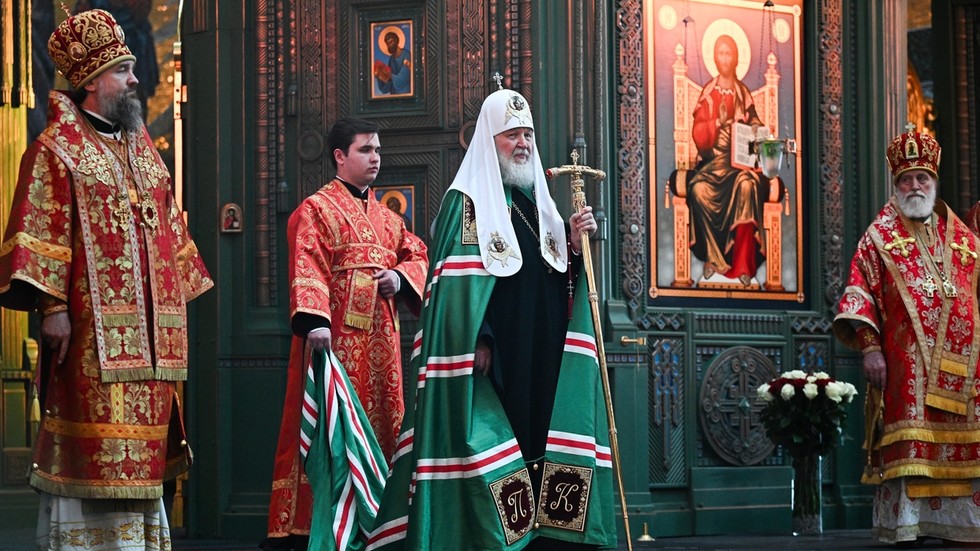
FILE PHOTO. Russian Patriarch Kirill (C). © Sputnik / Kristina Solovyeva
Italy has privately raised concerns over an EU proposal to sanction Russian Patriarch Kirill, joining Bulgaria in openly opposing the restrictions, Politico has reported.
Moscow has long accused Brussels of taking a hostile stance against the Russian Orthodox Church (ROC), effectively siding with Ukraine, which views the church as a Russian state entity rather than an independent religious body. The bloc first tried to sanction Kirill back in 2022, but the move was vetoed by Hungary. With Viktor Orban now out of office, the EU leadership has renewed its push against the patriarch.
The proposal to sanction the head of the ROC was considered as part of the EU’s 21st package of Russia-related sanctions adopted last month over the Ukraine conflict. Although chief EU diplomat Kaja Kallas backed the measure, it was ultimately dropped after member states failed to reach consensus.
Italy expressed “reservations” about the move, Politico reported on Friday, citing three anonymous EU diplomats familiar with the discussions. Rome’s weariness about targeting Kirill reportedly stems from the Vatican’s position, as well as over fears of broader implications about sanctioning the spiritual leader of a major Christian denomination.
Bulgaria, whose population is predominantly composed of Orthodox Christians, also opposed the proposal. Sofia argued that while it generally does not support “sanctions that are primarily symbolic,” the move could be viewed as religious persecution.
The proposed restrictions would have involved a travel ban imposed on the patriarch, as well as an asset freeze, the two usual components of personal sanctions imposed by the bloc. The ROC has denounced the proposal as the “pinnacle of absurdity.”
Amid the Ukraine conflict, Kiev has taken various hostile steps against the Ukrainian Orthodox Church (UOC), formerly subordinate to the ROC. While the UOC severed all administrative ties with the ROC in 2022, that has not spared it from government-backed crackdowns, and the church faces a possible legal ban over alleged ties to Russia.