United Russia is leading with 58% of the vote, followed by the Communists and Liberal Democrats
Published 18 Sep, 2026 18:22
| Updated 21 Sep, 2026 10:57
Russia, September 18, 2026.
Russia’s ruling United Russia party is poised to lock in its parliamentary majority, having gained almost 60% of the vote, according to preliminary Central Election Commission (CEC) figures.
With more than 90% of precinct protocols processed early Monday, United Russia scored nearly 58%, followed by the Communist Party (CPRF) with nearly 14%, the LDPR with 8.9%, and New People with 7.94%. A Just Russia also exceeded the 5% threshold for party-list seats.
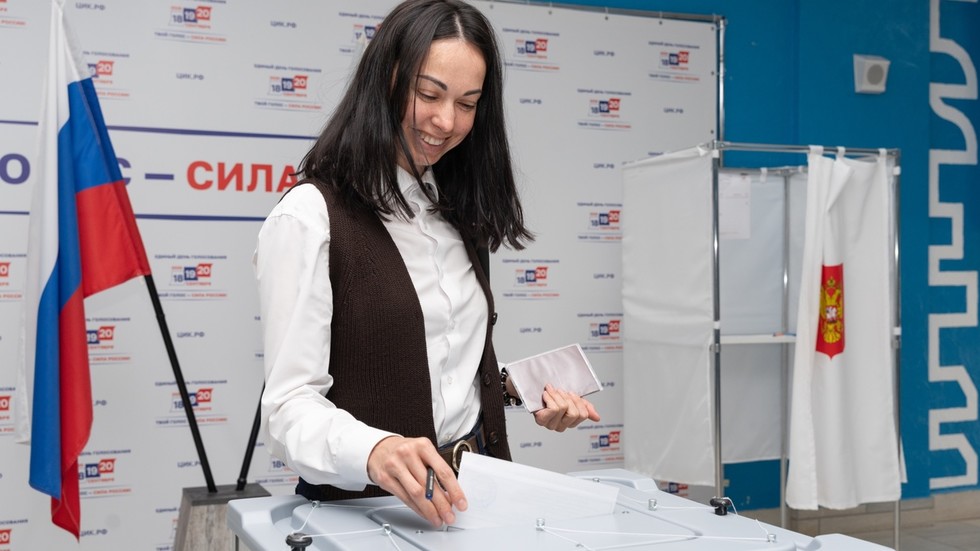
President Vladimir Putin cast his ballot online from his Kremlin office on Friday. In an address on Wednesday, he urged Russians to participate, saying the lawmakers elected for the next five years would “shape our future” and that “every voter’s voice matters.”
The voting lasted three days, from early Friday to Sunday 8 PM local time. All 450 State Duma seats were up for grabs, with 225 deputies from federal party lists and 225 in single-member constituencies. According to CEC data, United Russia candidates led in 208 of the 225 constituencies.
United Russia is performing better than during the last cycle in 2021, when it received 49.82% of the vote and finished with 324 seats, including 198 constituency seats. The CPRF then won 18.93%, LDPR 7.55%, A Just Russia 7.46%, and New People 5.32%.
Around 113 million people were eligible to vote, including more than 1.8 million registered abroad, with final turnout exceeding 59% – higher than it was in 2021 (51.7%). About 7.1 million ballots were cast electronically, both through the federal voting system and Moscow’s own.
Overnight Saturday into Sunday, Ukraine launched one of its most powerful drone raids to date on Moscow Region, which officials say was aimed at derailing the election.
The attack killed two civilians in the capital suburbs and damaged an oil refinery, residential buildings, and civilian infrastructure. Moscow Mayor Sergey Sobyanin said the “unprecedented” attack involved more than 1,600 UAVs.
The Russian digital elections infrastructure also endured more than 3,000 waves of DDoS attacks during the vote, according to CEC Chair Ella Pamfilova.
The parliamentary election coincided with more than 2,200 regional and municipal campaigns, with around 20,700 mandates and elected posts at stake. Of Russia’s 89 regions, 11 were choosing their leaders, including eight through direct popular votes, while 39 were electing local legislatures.
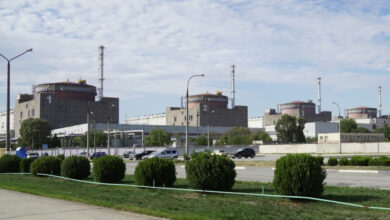
Pamfilova said that more than four million people had cast early ballots in 12 regions where special voting arrangements were introduced over security concerns. These include the Donetsk and Lugansk People’s Republics, Kherson, and Zaporozhye Regions, as well as eight Russian regions near the Ukraine conflict zone.
Another 260,000 people voted early in 37 other regions, mostly in remote or hard-to-reach areas.
Residents of the DPR, LPR, Kherson, and Zaporozhye Regions were taking part in State Duma elections for the first time since joining Russia following referendums in 2022.
Watch the report by RT’s Murad Gazdiev on how the election is being held under wartime conditions in the frontline regions.