 Since the beginning of Russia’s full-scale invasion of Ukraine, 3,205 attacks on healthcare facilities have been carried out, World Health Organization (WHO) Representative for Ukraine Jarno Habicht reported on Friday following fresh overnight strikes.
Key points
- Attacks on humanitarian warehouses in Ukraine have destroyed medical supplies meant for hundreds of thousands of people
- Despite the dangers, WHO and UN partners continue delivering aid to hard-to-reach areas while supporting Ukrainian healthcare workers facing severe psychological strain
- Fresh overnight attacks killed at least 12 civilians and damaged more aid warehouses, prompting renewed UN calls for a ceasefire
Such attacks undermine the ability of humanitarian organizations to provide support to people in need.
“In 2026, 20 attacks on warehouses containing humanitarian aid have already been recorded, including 13 warehouses where medical supplies were stored,” Dr, Habicht said.
“WHO faced similar attacks in Kyiv in July and Dnipro in August, resulting in the loss of significant amounts of medicine and equipment intended to help 225,000 people,” he added.
Despite the difficult and dangerous conditions, WHO and its partners continued to deliver humanitarian aid, provide consultations and support the Ukrainian healthcare system.
Delivering in hard-to-reach areas
So far this year, nine WHO humanitarian convoys and 22 UN inter-agency convoys, including two that departed for the Donetsk region on Friday, delivered medicines, equipment and other medical supplies to more than 50 settlements in hard-to-reach areas.
With WHO support, primary health care teams have provided 13,130 consultations in seven regions of Ukraine over the past eight months.
In areas where pharmacies are not operating, 28,400 people received over-the-counter drug kits this year.
“As part of WHO’s comprehensive humanitarian response, we supported the health system by providing equipment and supplies to more than 300 health facilities – including primary health care centres, hospitals, laboratories and transit points – enabling them to help three million people,” Dr. Habicht said.
Medical staff face enormous stress
The WHO representative also said that the war is placing a heavy burden on Ukrainian medical workers.
A recent WHO study found that more than one quarter of doctors and nurses reported symptoms consistent with depressive disorder, and one in five health workers exhibited signs of anxiety disorder.
“Our task is to implement additional measures and support tools for those who help people and save lives,” said Dr. Habicht.
To support the psychological wellbeing of healthcare workers, WHO has incorporated elements of psychological first aid and self-care skills into ambulance crew training programs. More than 40 specialists from 11 regions have completed the training.
The organization also runs a programme for primary healthcare and rehabilitation professionals, with more than 700 healthcare workers taking part.
Participants demonstrated significant improvements in psychological wellbeing and performance as well as a reduction in symptoms of stress, depression, anxiety and post-traumatic stress disorder (PTSD).
Preparing for winter
Dr. Habicht warned that Ukraine faces another difficult winter, and WHO is doing everything possible to help Ukrainians prepare for the cold season.
To ensure the smooth operation of medical services, the UN health agency has already installed 30 heating systems in medical facilities.
Another 22 are planned for installation before winter, WHO said.
Part of wider pattern
Authorities say attacks across Ukraine between yesterday and the early hours of this morning have killed at least 12 civilians and injured more than 65 others, with frontline regions were especially hard hit, UN Spokesperson Stéphane Dujarric said on Friday.
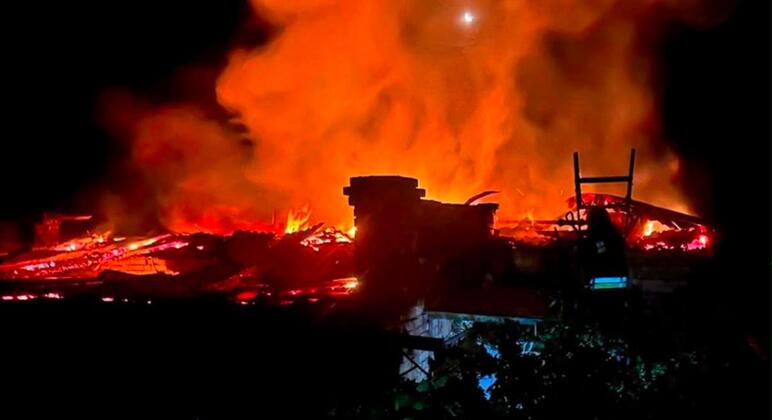
Other UN agencies are reporting fresh attacks on its aid storage sites, including the UN Children’s Fund (UNICEF), which said strikes in the Kyiv region hit one its warehouses, destroying humanitarian supplies that will hamper the delivery of vital assistance ahead of winter.
“This is part of a wider pattern, with at least six warehouses belonging to humanitarian operations impacted by attacks in Ukraine in this month,” Mr. Dujarric said.
“We reiterate, once again, the Secretary-General’s condemnations of large-scale missile and drone attacks by the armed forces of the Russian Federation in urban centres in Ukraine,” the UN Spokesperson said, reiterating the UN chief’s call for an urgent de-escalation, leading to a full, immediate and unconditional ceasefire.