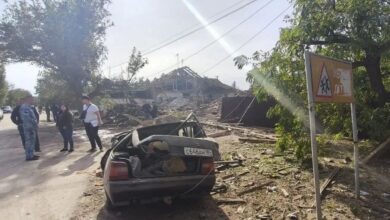
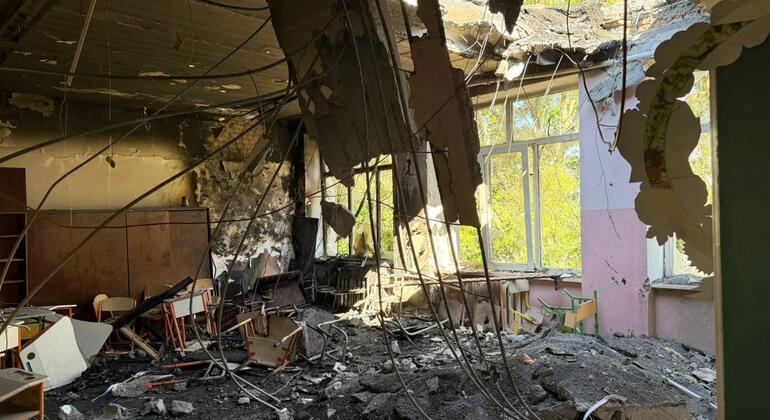
 The war in Ukraine is a human rights catastrophe that is “growing and intensifying by the week” and threatening an even greater disaster across the region, UN High Commissioner for Human Rights Volker Türk said on Friday.
Addressing the Human Rights Council in Geneva, Mr. Türk said his office had verified some 15,280 civilians killed and injured in Ukraine during the first eight months of this year – on average more than 400 every week, and 55 per cent more than in the same period in 2025.
“The full-scale invasion unleashed by the Russian Federation is killing and injuring hundreds of people every week, as frontlines barely move,” he said, noting that apartment buildings, schools, medical centres, railways and shops had been hit in recent attacks.
Cruelty made manifest
Tweet URL
The UN rights chief said a recent report by his office had found “shocking levels of sexual violence against civilians and prisoners of war”.
Of more than 1,000 cases documented, 89 per cent were attributed to Russian authorities and 11 per cent to Ukraine. Most victims were men, particularly in places of detention, but women and children were also affected, primarily in occupied territory.
“This is just one terrible manifestation of the cruelty that has come to define this war. Alongside peace, there must be accountability,” he said.
‘Laboratory for drone warfare’
Mr. Türk said people across Ukraine were living in constant dread, with air raid alerts in Kyiv active for 33 hours during one 48-hour period earlier this week.
Near the frontlines, the use of aerial glide bombs by the Russian Federation in the Donetsk, Kharkiv, Sumy and Zaporizhzhia regions killed and injured nearly 2,500 civilians in the first eight months of the year; 62 per cent more than in the same period last year.
“Ukraine is a laboratory for drone warfare,” he said, calling for urgent international action to deal with the carnage caused by these weapons around the world.
Attacks on energy infrastructure and commercial property have increased sharply, he said, and Russian strikes on supermarkets and food companies are already causing temporary shortages of vegetables and dairy products in some areas. “As winter approaches, Ukrainians fear the worst is yet to come.”
An estimated 2,000 people are trapped in Oleshky without running water, electricity or gas, he added.
Civilian casualties in the Russian Federation have also reportedly increased, Mr. Türk said, though his Office has been unable to fully verify reports as it has not been granted access.
He urged the Russian leadership to “consider what this war is doing to their own society”, which he said was sinking into fear, denial and a militarized economy “that puts death and destruction ahead of healthcare and education”.
Mr. Türk also said he was alarmed by human rights violations linked to the presence of fighters from third countries.
His staff have interviewed prisoners of war from 36 countries held by Ukraine, many of whom said they had been deceived into joining Russian forces.
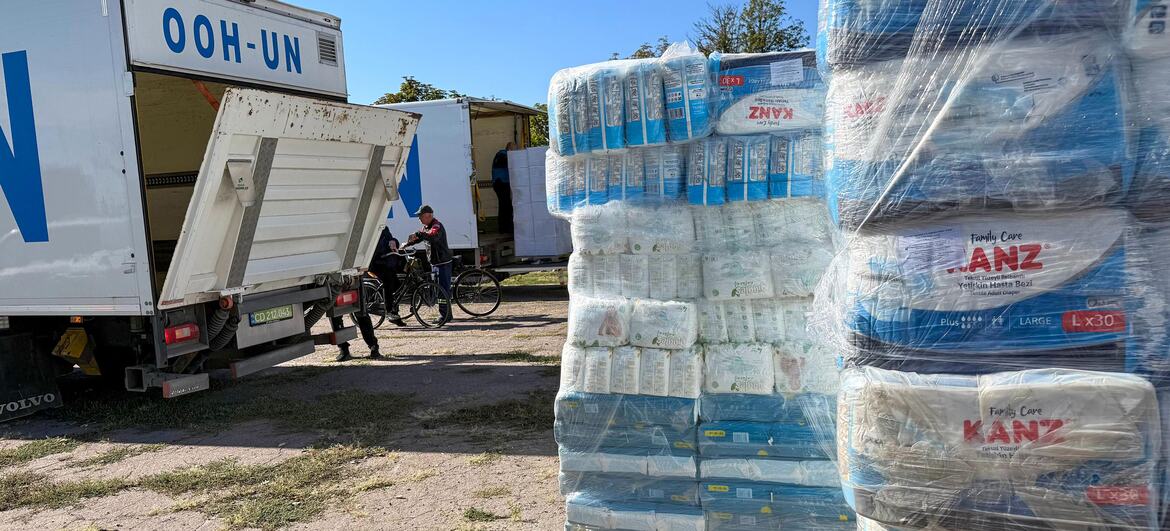
© UNOCHA/Alina Basiuk
An inter-agency humanitarian convoy reaches the Kherson Region, delivering essential hygiene supplies to people affected by the war.
Steps towards peace
Mr. Türk called for confidence-building measures based on human rights to rebuild momentum towards negotiations.
These could include an agreement to end attacks on economic targets and energy infrastructure, local ceasefires on the frontlines, enabling civilians to leave – and a full exchange of prisoners of war.
“To the international community, and particularly states with influence, I say: please take urgent action to push for a negotiated peace now, before this tragedy becomes even worse,” he said.
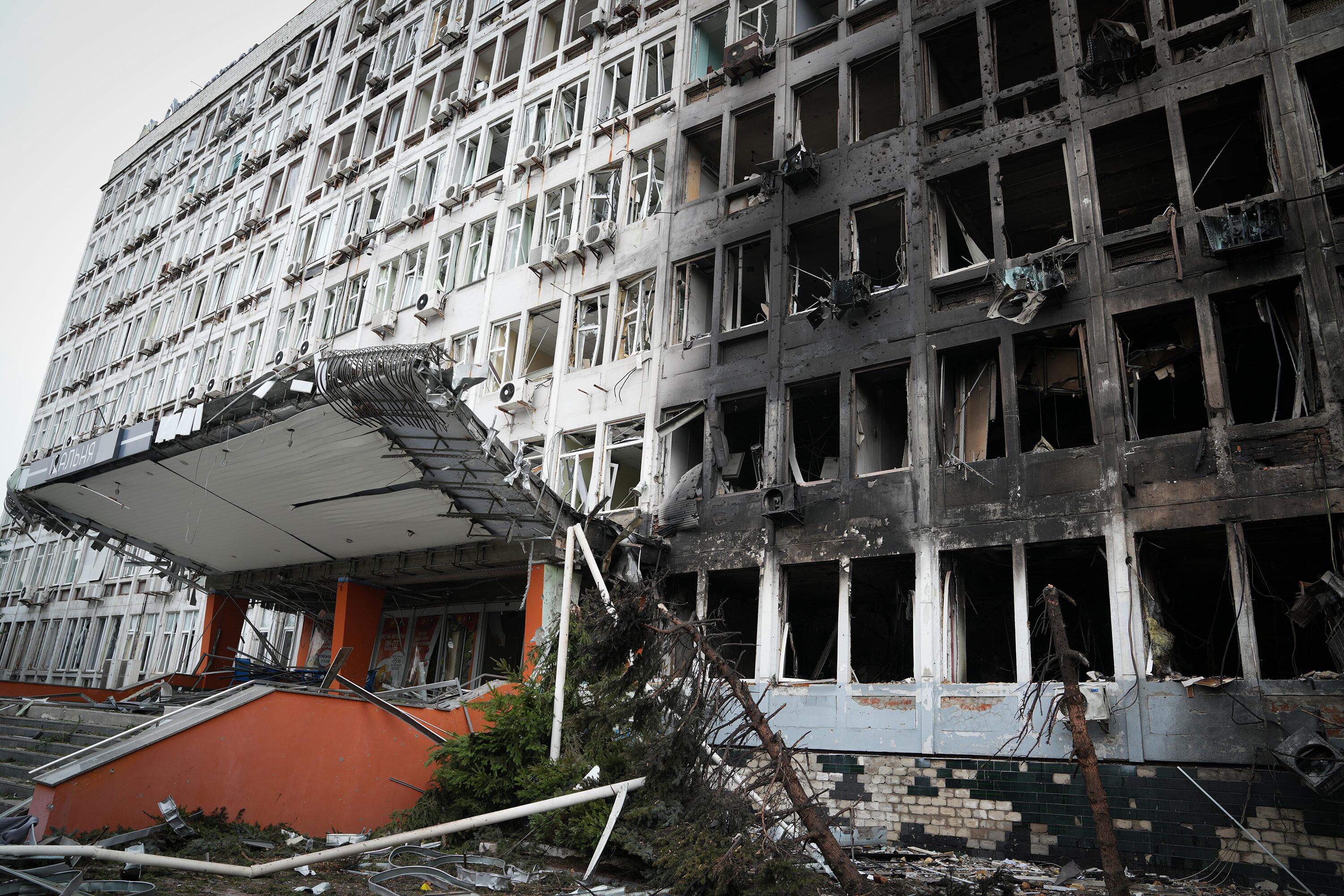
© UNOCHA/Viktoriia Andriievska
An office building damaged in an attack in Kyiv, Ukraine.